
How to Choose the Right Trailer: Complete Buyer’s Guide
Choosing the right trailer isn’t just about size or price — it’s about finding the right fit for you
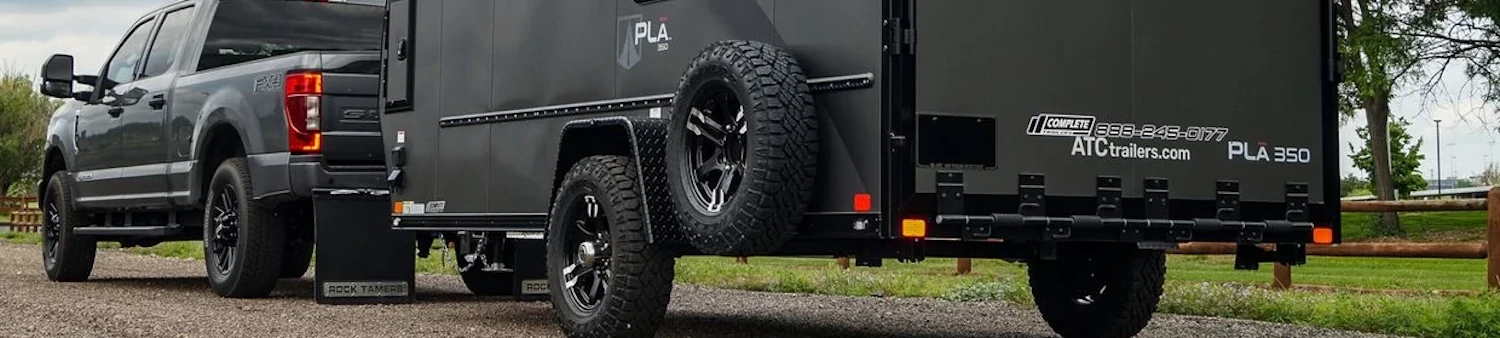

Choosing the right trailer isn’t just about size or price — it’s about finding the right
fit
for
your workload, vehicle, and long-term needs. Whether you’re hauling equipment,
transporting
vehicles, running a business, or managing weekend projects, the right trailer can make
all
the
difference in safety, efficiency, and durability.
In this complete buyer’s guide, we’ll walk you through the key factors to consider when
choosing
a
trailer, explain the most common trailer types, and help you confidently narrow down the
best
option
for your needs. If you’re unsure where to start, you’re in the right place.
Understand What You’ll Be Hauling
Weight, Size, and Load Requirements
- Payload vs GVWR
- Measuring cargo correctly
- Future hauling needs
Frequency of Use
- Occasional vs daily use
- Commercial vsp ersonal hauling
Common Trailer Types Explained
Enclosed Trailers
- Protection from weather
- Secure storage
- Ideal use cases

Equipment & Car Hauler Trailers
- Vehicles, machinery, and specialty loads
Choosing the Right Trailer Size
Length, Width, and Height Considerations
- Clearance
- Door and ramps access
- Maneuverability
Axles, Brakes, and Towing Capacity

Choosing the correct axle configuration, braking system, and towing capacity is essential for safe and efficient hauling. At Complete Trailers, our team helps customers select trailers that properly match their tow vehicle and intended load, ensuring compliance, stability, and long-term performance.
Single vs Tandem Axle Trailers
Single axle trailers are ideal for lighter loads, shorter distances, and easier maneuverability, making them a popular option for homeowners and light-duty hauling. Tandem axle trailers provide increased load capacity, better weight distribution, and improved stability for heavier equipment, vehicles, and commercial use.
Matching Your Tow Vehicle
Selecting a trailer that matches your truck or SUV’s towing capacity is critical. Our team helps customers evaluate GVWR, payload capacity, hitch requirements, and axle ratings to ensure your trailer is properly paired with your tow vehicle for safe operation.
Open vs Enclosed Trailers
Pros and Cons of Each
Open trailers provide easy loading, lower overall weight, and cost-effective hauling for equipment, landscaping tools, and materials. Enclosed trailers offer weather protection, added security, and a clean, professional appearance for transporting tools, inventory, or vehicles.
Budget vs Protection Trade-Offs
While open trailers are typically more affordable, enclosed trailers offer long-term value through protection from theft and weather exposure.
Why Buying from a Trusted Trailer Dealer Matters
Professional Guidance
Access to Multiple Trailer Types
Service, Parts and Support
Find the Right Trailer with Complete Trailers
Complete Trailers is your trusted destination for high-quality trailers, expert advice, and dependable service. Whether you’re purchasing your first trailer or upgrading for commercial use, our team is ready to help you find the perfect fit.